If you are shopping for a brand-new home in Poinciana, the model home price is only part of the story. Between builder incentives, included features, HOA dues, possible CDD assessments, and warranty details, new construction can look simple at first and feel much more layered once you dig in. The good news is that with the right questions and a clear process, you can compare options with confidence and avoid costly surprises. Let’s dive in.
Why Poinciana New Construction Stands Out
Poinciana is not a single, one-size-fits-all neighborhood. It is a large unincorporated master-planned community that spans Polk and Osceola counties, and public materials from APV describe it as a 47,000-acre area. That scale creates more options for buyers, but it also means governance and monthly costs can vary from one area to another.
In practical terms, you may find a mix of master association rules, village associations, sub-associations, and CDD structures depending on the specific parcel. Some planned communities in the broader Poinciana area, including Solivita, also operate through CDD structures along with HOA rules. That is why two homes with similar square footage can carry very different monthly obligations.
What Builder Inventory Looks Like Today
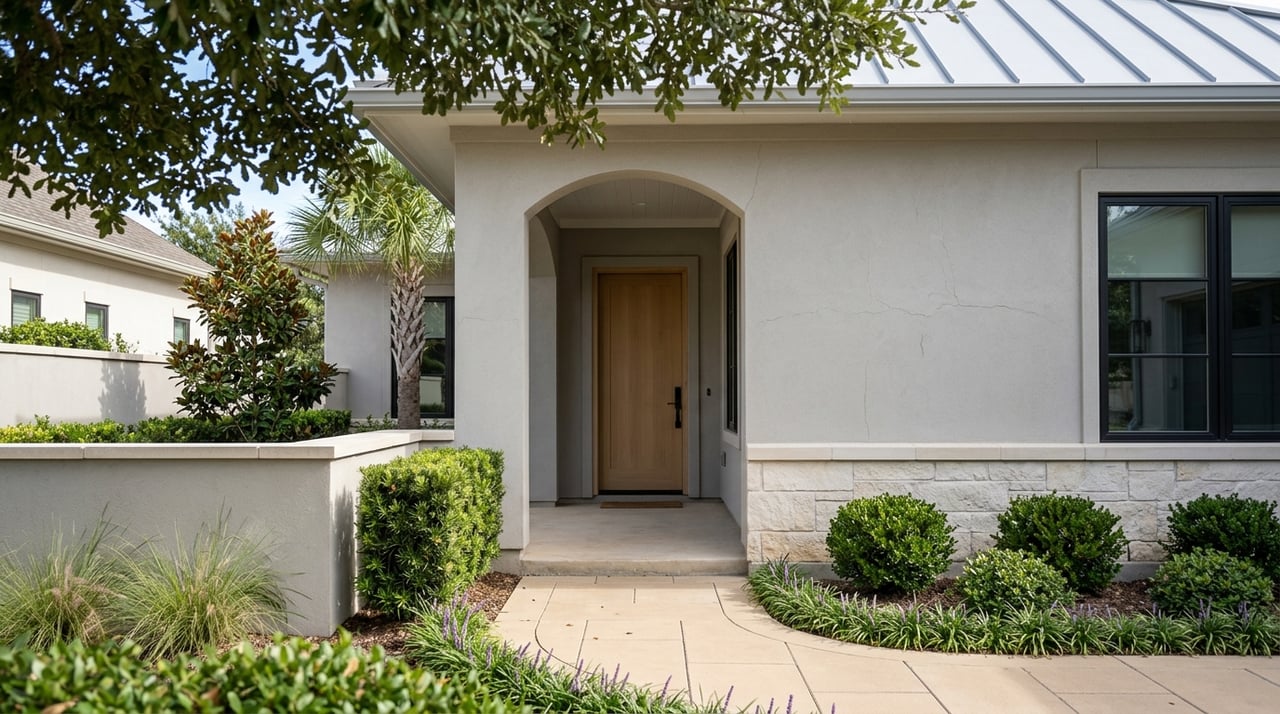
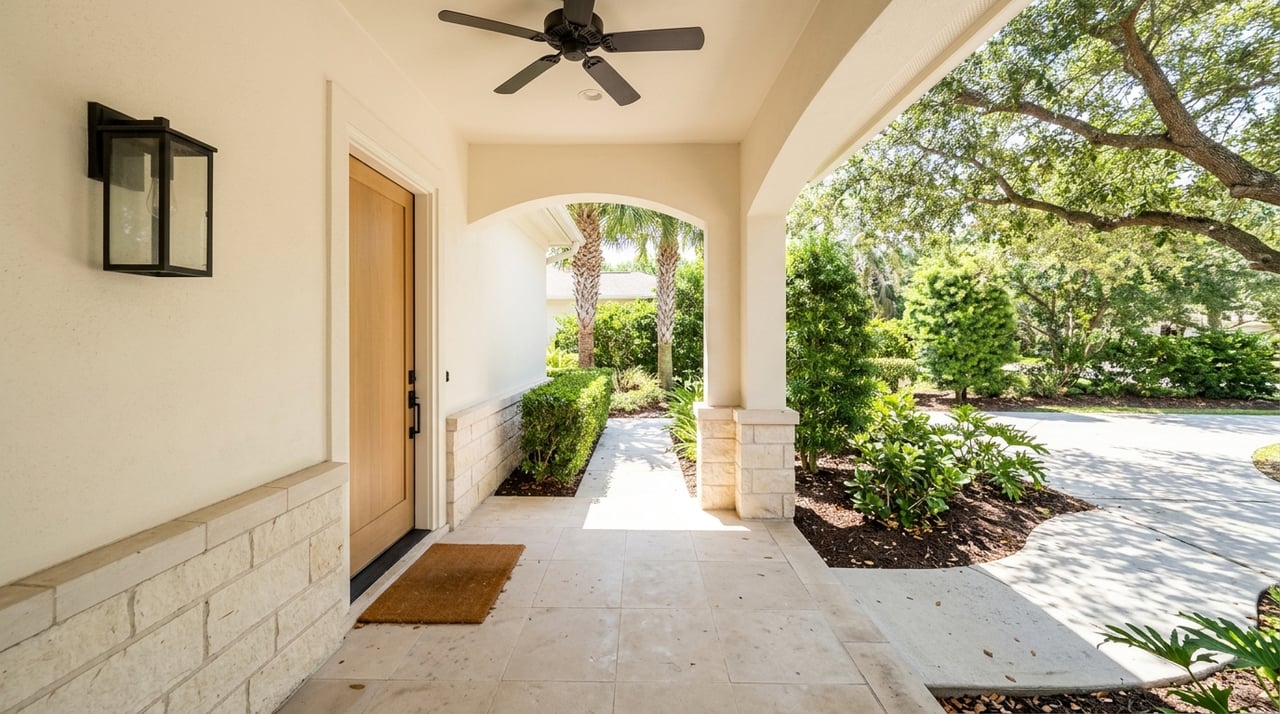
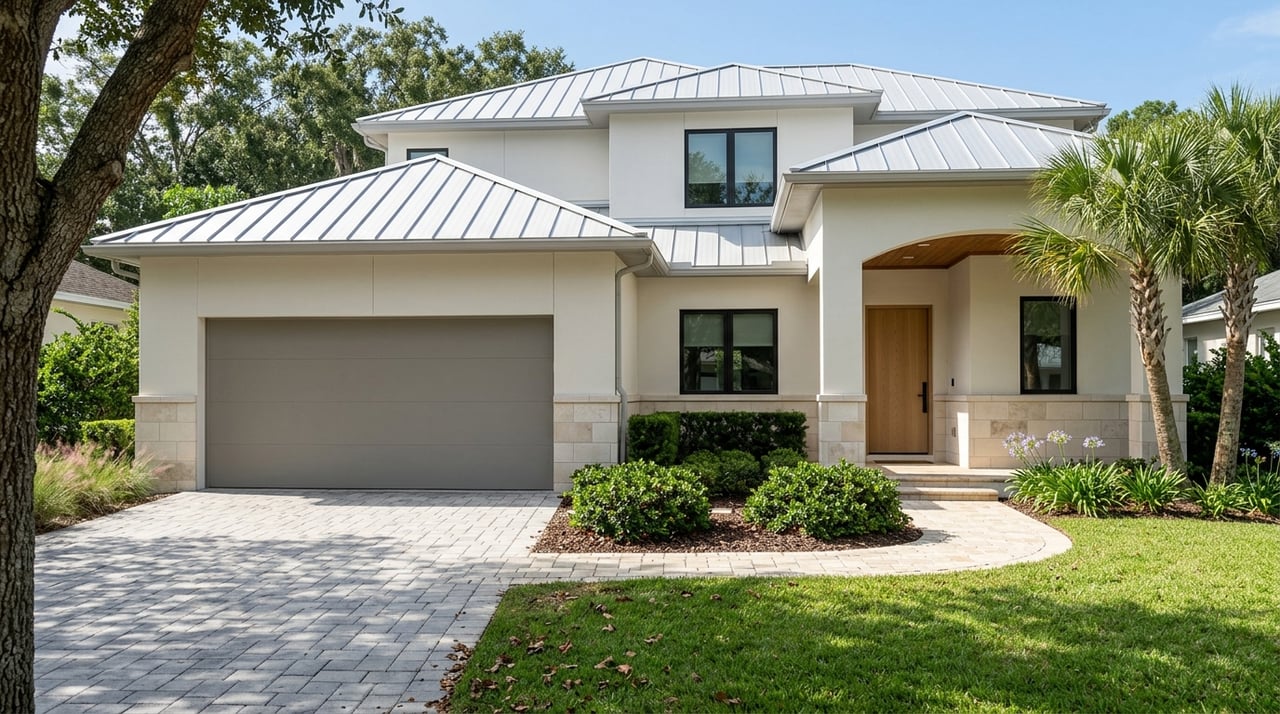
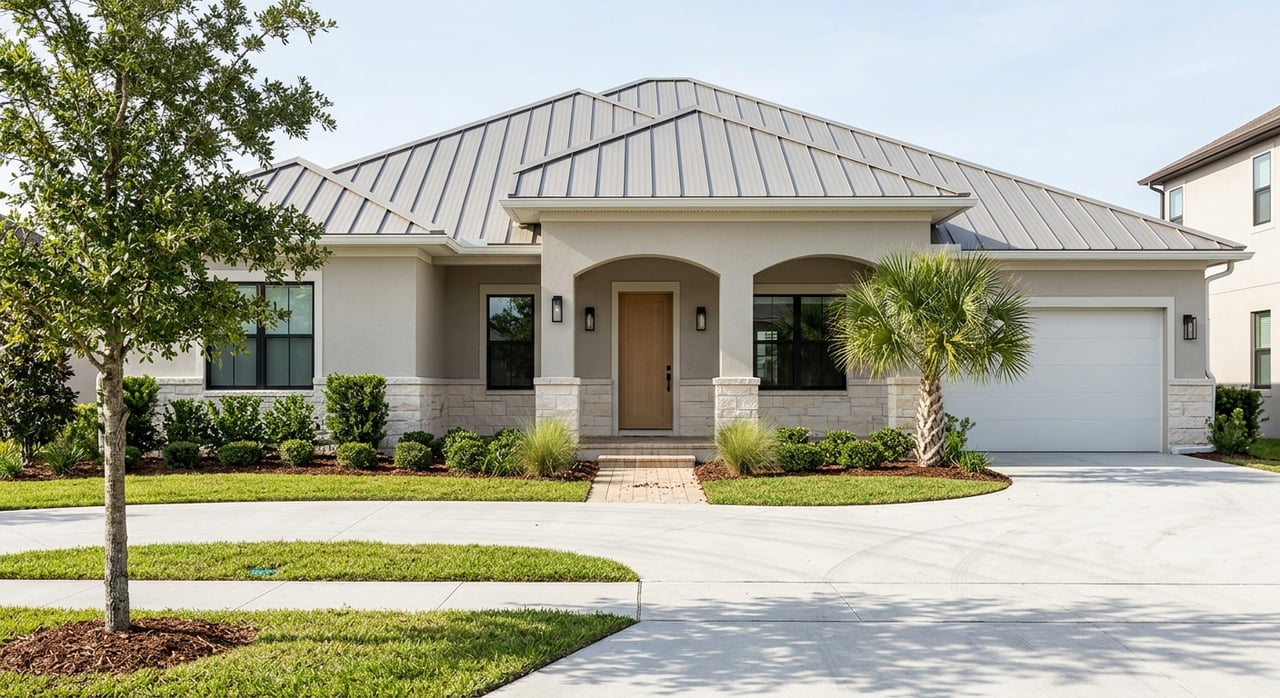
Builder-direct inventory is still available in Poinciana, which gives you the chance to compare new homes without relying only on resale options. Current examples in the market include Meritage at Lake Deer Estates and LGI Homes in Poinciana. Both offer a different approach to pricing and included features.
Meritage currently markets Lake Deer Estates from the high $200s, and current inventory pages show HOA dues of $305 per month. Some listed homes also include appliances and blinds. LGI currently markets homes in Poinciana from $280,900 and emphasizes bundled features through its CompleteHome package along with a structural warranty.
Compare Finished Price, Not Base Price
One of the biggest mistakes buyers make with new construction is focusing too much on the advertised starting price. That number may not reflect the home you actually want to buy once lot premiums, design selections, and included features are factored in. A lower base price does not always mean a lower final price.
Research on current builders in Poinciana shows two common production-builder models. Meritage uses a more curated design process with design collections and design-studio appointments, while LGI highlights more items bundled into the base offering. For you, the takeaway is simple: compare the total finished price of each home, not just the headline price in the ad.
Items to compare side by side
- Base price
- Lot premium, if any
- Included appliances
- Included blinds or window coverings
- Design upgrade costs
- HOA dues
- Any CDD assessment
- Estimated taxes and insurance
- Warranty coverage
- Estimated completion timeline
Understand Poinciana’s Layered Fees
Monthly payment planning matters even more in planned communities. Your housing cost is not just principal and interest. It can also include property taxes, homeowner’s insurance, mortgage insurance if applicable, flood insurance if required, HOA dues, and possibly a CDD assessment.
In Poinciana, those community charges can stack. APV notes that yearly dues support operating, maintaining, growing, and improving the community, and some villages may also have sub-associations. Separately, certain properties may also be subject to CDD assessments.
A current Poinciana CDD fiscal year 2026 example shows a $244.74 maintenance fee plus a $373.96 debt-service fee, for a total of $618.70 per year. That works out to about $51.56 per month, and the district packet says the assessment is collected as a non-ad valorem item on the Polk County tax bill.
Using the current Lake Deer Estates example, the posted HOA dues are $305 per month. If a similar property also had a CDD charge like the example above, that would bring community-related charges to about $356.56 per month before mortgage, taxes, and insurance. These are examples only, not universal Poinciana fees, because exact costs depend on the lot, phase, and governing documents.
Questions to ask about dues
- Is this lot subject to a master HOA?
- Is there a village association?
- Is there a sub-association?
- Is there a CDD assessment?
- Are fees paid monthly, yearly, or through the tax bill?
- Are dues different by phase or lot size?
Financing Choices Matter More Than You Think
Some buyers assume they need to use the builder’s preferred lender to buy a new-construction home. You do not have to do that. You can shop lenders and compare financing options, which can make a meaningful difference in your monthly payment and closing costs.
If the home is not yet built, the builder may request earnest money early in the process. Before you pay it, confirm the refund conditions in writing and understand how the contract handles financing, delays, and cancellations. It is also wise to make your offer contingent on financing and a satisfactory inspection when possible.
If you are considering construction financing, know that it works differently than a standard purchase loan. These loans are usually short-term, funds are advanced in stages, and payments may begin 6 to 24 months after the loan is made. If you want a faster move, some builders also offer move-in-ready or spec homes.
Move-In Ready vs. To-Be-Built Homes
In Poinciana, you may be choosing between a home that is already completed or nearly completed and one that will be built after contract. Each path has tradeoffs. The right choice depends on your timeline, budget flexibility, and tolerance for decision-making.
Move-in-ready homes can reduce uncertainty around timing. Current Meritage marketing notes a closing-ready guarantee, and some move-in-ready homes include appliances and whole-home blinds. That can simplify your planning if you need a home soon or want fewer post-closing purchases.
A to-be-built home may give you more say in finishes, depending on the builder and stage of construction. The flip side is that pricing can shift as you add selections, and your completion date may be less predictable. That is another reason to compare final numbers, not just the starting point.
Warranties and Inspections Still Matter
A common myth is that a brand-new home does not need an inspection. In reality, independent inspections still matter. You want someone who is accountable to you, not the builder, to identify issues early enough for corrections before closing.
Florida law requires a builder to warrant a newly constructed home for one year against defects in workmanship, materials, or equipment that cause a material violation of the Florida Building Code. The law also allows a broader express warranty to replace the statutory warranty if it is at least as protective and transferable during the first year. That means you should read the actual warranty documents closely rather than rely on a verbal summary.
Many new-home warranties commonly provide one year of workmanship and materials coverage, two years for systems such as HVAC, plumbing, and electrical, and up to 10 years for major structural defects. Exact terms vary, and many programs require mediation or arbitration. If a warranty issue comes up, written claims are important.
What to review in the warranty
- What is covered in year one
- Whether systems have longer coverage
- Whether structural coverage extends beyond two years
- What items are excluded
- Whether the warranty is transferable
- Whether disputes go to mediation or arbitration
- How claims must be submitted
The Final Walk-Through Is Your Last Checkpoint
Before you sign, do a final walk-through. This is your chance to confirm that agreed repairs were completed, included items are present, and the home matches what you expected to receive. It is one of the most important steps in a new-construction purchase.
Also pay close attention to your Closing Disclosure. It must be delivered at least three business days before signing, and this is where your loan terms, closing costs, taxes, and other charges become final. Review it carefully so there are no surprises at the closing table.
Why Independent Guidance Helps in Planned Communities
Buying new construction in Poinciana is not only about choosing a floor plan. You are also comparing governance structures, fee layers, builder contracts, warranty language, and timing risks. That takes more than a quick visit to a sales center.
Independent buyer representation can help you stay focused on the details that affect your outcome, including contract deadlines, deposit rules, inspection timing, and the true monthly cost of ownership. It also gives you a local advisor who can help you compare communities and builders in a more objective way.
For buyers looking in Central Florida, that local perspective can be especially valuable when you are weighing planned-community fees against your budget and lifestyle goals. A practical, experienced guide can help you move from excitement to clarity without losing momentum.
If you are comparing builders, weighing move-in-ready options, or trying to understand the real monthly cost of a home in Poinciana, Lisa Owen can help you sort through the details and make a confident decision.
FAQs
What should you compare when buying new construction in Poinciana?
- You should compare the total finished price, included features, HOA dues, any CDD assessment, warranty terms, closing costs, and expected completion timeline.
How do HOA and CDD fees affect a new home in Poinciana?
- In Poinciana, a home may be subject to a master HOA, village or sub-association fees, a CDD assessment, or a combination, so you should verify every layer of cost tied to the specific lot.
Do you need an inspection on a brand-new home in Poinciana?
- Yes, an independent inspection can help you identify issues before closing and gives you a chance to request corrections before the final walk-through.
Can you use your own lender for a Poinciana new-construction purchase?
- Yes, you do not have to use the builder’s affiliated lender, and shopping around can help you compare rates, costs, and loan terms.
What does a Florida builder warranty usually cover on a new home?
- Florida requires at least one year of protection against certain qualifying defects tied to workmanship, materials, or equipment, and many builders also offer added coverage for systems and structural issues depending on the warranty terms.