Trying to choose between a condo and a townhome in Hunters Creek? You are not alone. This decision affects your budget, lifestyle, insurance, and resale. In a few minutes, you will learn the key differences, the local factors that matter in Hunters Creek, and a simple checklist to move forward with confidence. Let’s dive in.
Florida definitions that matter
Ownership and title
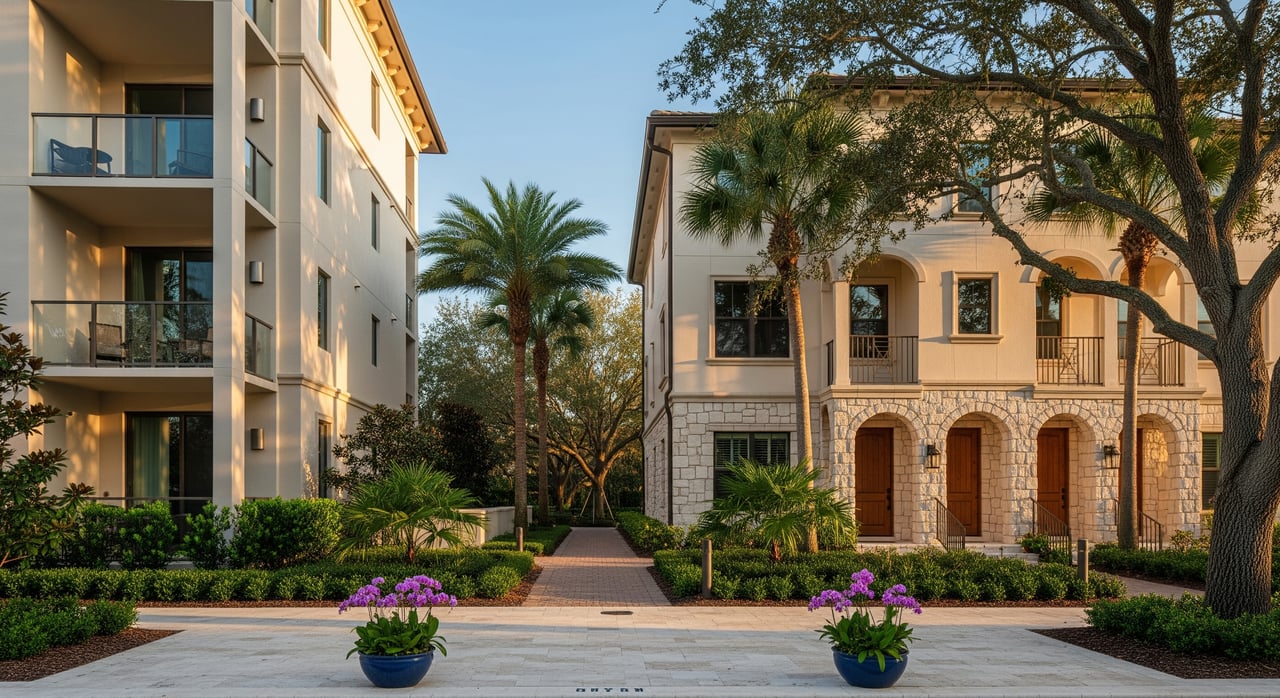
In Florida, a condominium is governed by the Condominium Act in Chapter 718 of the Florida Statutes. You typically own the interior of your unit while the association owns and maintains the building structure and common elements. A townhome is often fee-simple ownership under Chapter 720, which usually means you own the structure and the land beneath it.
Here is the key point for Hunters Creek buyers: a property marketed as a “townhome” can still be legally a condominium. Always confirm the legal form by reviewing the deed, plat, and association declaration before you rely on assumptions.
Insurance and maintenance
Condo associations usually insure the building and common areas. You, as the owner, carry an HO-6 policy for your interior improvements and contents, and sometimes loss assessment. In a fee-simple townhome, you often need a full dwelling policy (HO-3 or HO-5) because you likely insure the roof, exterior, and structure.
Maintenance follows the same pattern. Condos concentrate exterior and common-area care with the association. Townhomes often place more exterior responsibility on you unless the HOA specifically covers items like roofs and landscaping.
Rules and assessments
Both condos and townhome HOAs set rules for pets, rentals, parking, and exterior changes through their governing documents. Either type can levy special assessments. Review the declaration, bylaws, rules, and recent meeting minutes to understand restrictions and financial health.
Hunters Creek factors to weigh
Community and amenities
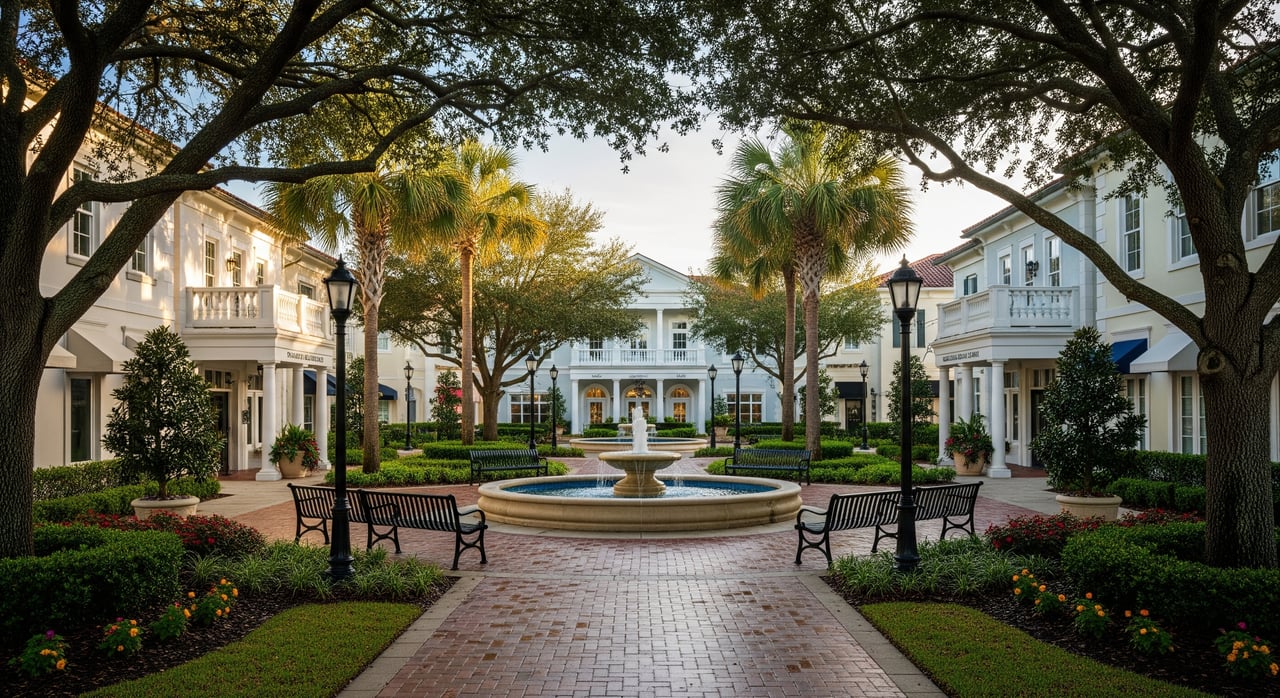
Hunters Creek is a planned community with neighborhoods that may offer pools, parks, trails, and shared green space. Condos often lean into shared amenities with higher dues. Townhomes may offer more private space with fewer shared facilities. Choose what fits your routine and budget for monthly fees.
Parking and outdoor space
Many condo communities use assigned parking and have strict guest policies. Townhomes commonly include a garage, driveway, or small yard. If you value private outdoor space or easy guest parking, a townhome can be appealing.
Flood and storm risk
Insurance in Florida requires attention to wind and hurricane exposure. Lenders require flood insurance if a property is in a Special Flood Hazard Area. Check the FEMA Flood Map Service Center and ask for any elevation certificates that may exist. This affects your total monthly cost and peace of mind.
Schools, commutes, and daily needs
Hunters Creek sits near major employers, healthcare, retail, and key roadways. Map your daily routes, visit during rush hours, and review Orange County Public Schools boundary resources if school zoning impacts your plans. Use neutral, factual sources to guide those checks.
Cost comparison at a glance
Purchase price and fees
Condos can offer lower entry prices in some markets, with higher HOA dues per square foot because exterior maintenance and amenities are included. Townhomes often command higher sale prices due to more space and land ownership, with dues that can be lower if fewer services are included. Ask for the current dues, the budget, and any planned increases.
Insurance in Florida
For condos, understand what the master policy covers and where your HO-6 starts. For townhomes, confirm whether the HOA covers roofs, exterior paint, or landscaping, or if you insure and maintain them yourself. In both cases, coordinate your quote with the association’s insurance certificates so you do not overpay or underinsure.
Taxes
Orange County sets property taxes based on assessed value and parcel type. Townhomes with land are assessed differently than condo units. Verify parcel details and tax history with the Orange County Property Appraiser before you finalize your budget.
Financing differences to know
Condos and project approval
Condo financing often depends on project eligibility with Fannie Mae, Freddie Mac, FHA, or VA. Lenders look at reserves, owner-occupancy, litigation, insurance, and special assessments. If a condo is not approved or does not meet a lender’s standards, you may need a larger down payment or a different loan program.
Townhomes and loan options
Fee-simple townhomes are usually treated more like single-family homes for lending. That can simplify financing and expand your loan choices. Still, the HOA’s rules and financials matter to lenders, so complete the same due diligence you would for a condo.
Practical lender steps
Ask your lender early about condo project approval if you are considering a condo. Share association documents, budgets, and insurance certificates as soon as possible. If you plan to use FHA or VA, verify eligibility at the start so you can shop with clarity.
Lifestyle and day-to-day living
Maintenance and privacy
Choose a condo if you want less exterior upkeep. Choose a townhome if you want more control over your exterior and possibly more separation from neighbors. Sound transfer varies by building type, so visit at different times and ask about construction details.
Amenities and services
Condos typically include more on-site amenities, which can be convenient and social. Townhome communities can still offer shared facilities but often focus on private space over extensive amenities. Match your expectations to what dues actually cover.
Governance quality and red flags
Strong association management protects value. Look for transparent communication, professional management, healthy reserves, and a clear plan for capital projects. Red flags include low reserves, frequent special assessments, ongoing litigation, and deferred maintenance.
Rental and investor notes
Condos often have rental caps or minimum lease terms. Townhome rules vary by community. If you want flexibility to lease, confirm the rental policy, waiting lists, and any short-term rental restrictions before you make an offer.
Safety and structural items
Florida has increased focus on structural inspections and reserves for aging multi-unit buildings. Ask about building age, any recent structural or reserve studies, and whether the association anticipates large capital projects that could lead to assessments.
Buyer checklist for Hunters Creek
- Confirm legal form and title. Is it a condominium under Chapter 718 or fee-simple under Chapter 720? Do not rely on marketing labels.
- Request the full association package: declaration, bylaws, rules, budget, reserve study, insurance certificates, meeting minutes, and assessment history.
- Review the master policy and confirm your HO-6 or HO-3 coverage with a Florida-licensed insurance agent.
- Check flood zone status with FEMA resources and ask the seller for any elevation certificate.
- Clarify what dues include: roof, exterior paint, landscaping, water/sewer, cable/internet, and reserves.
- Ask about rental rules, pet policies, parking assignments, and guest parking procedures.
- Confirm any pending litigation, upcoming special assessments, and the management structure.
- Verify financing. If buying a condo with FHA or VA, confirm project eligibility early.
- Order a thorough inspection. For multi-unit buildings, consider structural or reserve study summaries if available.
Seller tips for a smooth sale
- Be clear about what the HOA covers and what owners handle. Buyers value certainty on roofs, exteriors, and insurance.
- Provide association budgets, reserve details, and any special assessment history upfront.
- Share meeting minutes or summaries that demonstrate good governance and planning.
- For townhomes, document parking, yard responsibilities, and typical insurance requirements to help buyers compare total cost.
Next steps
Choosing between a condo and a townhome in Hunters Creek comes down to how you want to live, what you want to maintain, and how your financing and insurance will work. If you want a clear picture of costs, rules, and resale, bring your short list and we will walk through the documents with you. For guidance tailored to your goals, connect with Lisa Owen for a friendly, no-pressure game plan.
FAQs
Which is cheaper up-front in Hunters Creek?
- Condos can offer lower entry prices and higher monthly dues, while townhomes often cost more upfront with potentially lower dues if fewer services are included.
How do HOA dues compare and what do they cover?
- Condo dues usually cover exterior, roof, building insurance, and amenities; townhome dues focus on shared areas unless the HOA also covers roofs or landscaping.
Who pays for the roof, exterior, and insurance?
- Condos typically place roof and exterior on the association with you carrying HO-6; townhomes often make owners responsible for structure and an HO-3 or HO-5 policy.
Are condos harder to finance with FHA or VA loans?
- Sometimes, because condo projects must meet eligibility standards; confirm project approval with your lender early in the process.
Which type has better resale prospects in Hunters Creek?
- It depends on buyer demand, fees, and association health; townhomes can attract space-seeking buyers, while condos appeal to low-maintenance seekers.
What are top red flags in HOA documents?
- Low reserves, frequent or large special assessments, pending litigation, unclear rules, and deferred maintenance are common concerns.
How do flood and hurricane insurance affect monthly costs?
- Lender-required flood policies in higher-risk zones and wind deductibles can increase costs; review maps and master policy details before you budget.
How does privacy and noise differ between condos and townhomes?
- Condos often have shared walls and corridors, while townhomes can offer more separation; visit at different times to assess sound and traffic.