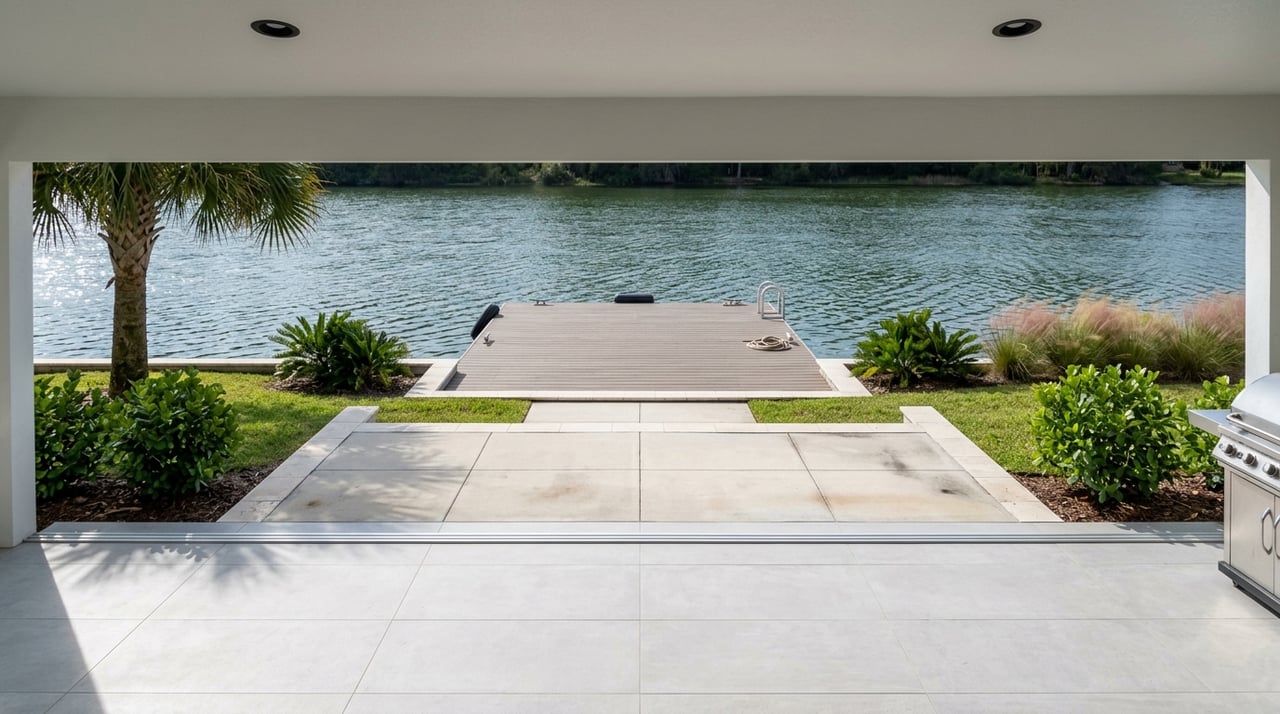
Imagine starting your day with a quiet paddle across glassy water, then docking for lunch near downtown before a sunset cruise with friends. That is the Clermont Chain of Lakes lifestyle many buyers picture. If lakefront living is on your list, you also want clear facts on docks, permits, insurance, and shoreline care so you can buy with confidence. This guide gives you the essentials, plus a simple checklist to use on every showing. Let’s dive in.
What “lakefront in Clermont” means
Clermont sits on the Palatlakaha, also called the Clermont Chain of Lakes, a connected system of lakes that supports boating and paddling across many miles. You can see the chain layout and lake sizes on the Lake County Water Authority’s Clermont Chain map. It is a helpful orientation tool if you are weighing different shorelines and access points. View the chain map.
The chain is anchored by Lake Minneola and city amenities like Waterfront Park and the City of Clermont boat ramp at 140 East Ave. The city page lists trailer parking rules, day and annual passes, and event closures. That is useful if you plan to launch or trailer a boat often. Check the Clermont boat ramp details.
Paddlers enjoy long blueway runs through the system. On a visit, look for public launches and pay attention to wind, afternoon chop, and typical traffic patterns. You want a feel for weekday mornings versus busy weekends.
Everyday lakefront life
Lifestyle highlights include day boating, fishing, paddle sports, lakeside trails, and community events at Waterfront Park. Some downtown spots are reachable by boat, which adds to the fun. The park also offers a modest public dock to help casual boaters tie up during events.
When you tour, visit at different times of day. Weekends can bring wakes and more noise. Weekday mornings feel different from early evenings. Seeing the changes helps you plan the lifestyle you want.
Lakefront vs. lake view
Not all properties that advertise “lakefront” have the same rights. Some lots are true riparian waterfront with direct access to the water. Others are lake view or have deeded access through a shared area.
Dock rights are not the same as a pretty view. In Florida, the state generally owns the submerged lands below the mean high-water line. Upland owners have riparian rights, but docks over state bottoms often need state authorization and sometimes environmental permits, separate from local building permits. Always confirm what the deed and permits actually allow. Review Florida’s submerged lands framework.
Docks and permits 101
If you plan to build, replace, or enlarge a dock, get familiar with Florida Department of Environmental Protection (DEP) guidance. Florida uses thresholds for small “exempt” private docks, general permits for mid-sized projects, and individual Environmental Resource Permits for larger or complex designs. Design rules often limit walkway width, terminal platform size, shading, and how far you can extend into a waterbody. Sensitive shorelines may also require setbacks within riparian lines. See DEP’s dock permitting guide.
Some projects can also require review by the U.S. Army Corps of Engineers, especially if work affects navigable waters, dredging, or wetlands. Ask for the property’s existing permit files so you know what was previously approved.
How to verify an existing dock
Before you make an offer, ask the seller or listing agent for:
- All permits and as-built drawings for the dock, boat lift, seawall, dredging, and shoreline work.
- Any state authorization or letter of consent for using submerged lands.
- Invoices for seawall repairs, shoreline work, or dredging.
- Written confirmation of what transfers with the sale, including slip or lift rights that might be leased or assigned through an association.
If the dock looks larger than the plan on file or the seller cannot produce permits, budget time and money for remediation. Always verify permits before you write an offer.
Shorelines, seawalls, and water quality
Many waterfront homes use seawalls or riprap to stabilize the shoreline. Seawalls age and can be costly to repair or replace, so include a seawall inspection in your due diligence. Engineering resources recommend regular inspections and sometimes living shorelines as an alternative where conditions allow. Read a practical seawall care overview.
Water quality matters for swimming and everyday enjoyment. Lake Minneola has had harmful algal bloom events in recent years that prompted monitoring and local response. Ask for recent water quality updates and whether the lake has active treatment or nutrient reduction programs. The Lake County Water Authority has documented past bloom discussions in public memos. See a local LCWA memo for context.
Wildlife is part of inland Florida. Assume alligators may be present on any lake. The Florida Fish and Wildlife Conservation Commission runs the Statewide Nuisance Alligator Program and publishes safety guidance. Plan shoreline safety for kids and pets, and save the FWC hotline for any concerns. Learn about FWC’s nuisance alligator program.
Boating rules and safety
Florida requires anyone born on or after January 1, 1988 to carry proof of approved boating safety education to operate a motorized vessel of 10 HP or more. If boating will be central to your lifestyle, make sure your household is compliant before closing. Check FWC’s boater education rules.
If your home does not have a private ramp, the City of Clermont boat ramp is a useful access point. Review parking rules, passes, and closure dates if you plan to launch often. Build those logistics into your routine.
Insurance and flood checks
Flood risk and insurance are critical on waterfront homes. Start with FEMA’s Flood Map Service Center to see the parcel’s current flood zone and the effective panel for the area. Special Flood Hazard Areas trigger mandatory flood insurance for many loans. Map status and any recent updates can affect cost and lender requirements. Search FEMA flood maps.
Know what your policy covers. The National Flood Insurance Program and many standard flood policies exclude structures in, on, or over water, including docks, boathouses in whole or part, and often seawalls. Some homeowner policies offer limited coverage for docks as other structures, but caps and exclusions are common. Get written quotes and confirm dock and lift coverage early. Review NFIP coverage basics.
Before you daydream, ask these 8 questions
Use this fast checklist on every showing:
Do the deed and survey confirm riparian rights and no unusual easements that limit use? Ask your title company to verify and request a survey that shows the mean high-water line.
What permits and as-builts exist for the dock, lift, seawall, or dredging? Get copies of the DEP, local building, and any Corps permits, plus final inspections.
Can I legally repair, rebuild, or enlarge the dock if needed? Compare your plans with DEP guidance, local zoning, and any association rules.
What is the seawall or shoreline condition? Order a seawall inspection and, if needed, an engineer’s estimate for repair or replacement.
What is the flood zone and estimated insurance cost? Pull the FEMA map, then get written quotes for homeowner, flood, wind, and any dock endorsements.
Are there HOA or condo rules that affect docks or slips? Confirm guest mooring, maintenance duties, and whether slip rights transfer with the unit.
What is the recent water quality history on this lake? Ask for recent monitoring or advisories and whether the lake has recurring harmful algal blooms.
Who will operate the boat, and do they meet Florida’s boater education rules? Plan for any required ID card before you buy that new motor.
Inspections to order
Line these up during due diligence or as offer contingencies:
- Marine contractor inspection for the dock and lift, including piles, anchorage, and dockside electrical.
- Seawall or bulkhead inspection, plus an engineer’s opinion if issues are found.
- Boundary and riparian survey that shows the mean high-water line and dock alignment.
- Insurance quotes and coverage review for the home, flood, wind, and dock or lift endorsements.
- Water quality and environmental check by requesting recent local monitoring reports.
How we help you buy right
Buying lakefront in Clermont is exciting, and it also takes careful checks on permits, shoreline condition, insurance, and rules. Our team approach keeps you ahead of surprises. We help you gather permits and plans, coordinate marine and seawall inspections, review association rules, and connect you with insurers who can quote realistic coverage.
If you are ready to explore Clermont’s Chain of Lakes, we are here to guide you from the first tour to a smooth closing. Reach out to Lisa Owen for local insight and a clear plan for your lakefront search.
FAQs
What lakes make up Clermont’s Chain and how connected are they?
- The Clermont Chain is a linked system of lakes along the Palatlakaha, with multiple public access points and blueway routes that let you paddle or boat across many miles.
Do I need a permit to replace or enlarge a dock on Lake Minneola?
- Most dock work requires state authorization and may need an environmental resource permit, plus local building approval. Always review DEP standards and the property’s permit history.
How do I check flood risk for a lakefront home in Clermont?
- Use FEMA’s Flood Map Service Center to find the parcel’s flood zone, then get written flood insurance quotes early to understand lender requirements and cost.
Are docks and seawalls covered by standard flood insurance?
- NFIP policies commonly exclude docks, boathouses, and often seawalls. Ask your insurer if limited coverage or endorsements are available and get details in writing.
What should I know about alligators if I have kids or pets?
- Assume alligators may be present on any inland lake. Follow FWC safety guidance, supervise children and pets near the water, and use the nuisance alligator hotline if needed.
What if the seller cannot provide dock permits or as-built plans?
- Treat it as a red flag. You may need permit remediation or changes to the structure. Get a marine contractor’s opinion and consult permitting agencies before you proceed.