What does everyday life in Saint Cloud actually feel like once the moving boxes are gone? If you are trying to picture your routine here, the answer is less about tourist attractions and more about lake views, park time, practical errands, and a commute that connects you to the wider Orlando area. This guide will help you understand how people really spend their days in Saint Cloud and what makes the city feel distinct. Let’s dive in.
Saint Cloud has a lakefront rhythm
Saint Cloud stands out because the lakefront is not just scenery. East Lake Tohopekaliga helps shape the city’s identity, and the historic part of town developed close to the water with downtown along New York Avenue and older residential streets stretching south of the lake.
That layout gives the city a grounded feel. Instead of reading like a generic suburb, Saint Cloud often feels organized around a few clear anchors: the lakefront, downtown, and the older street grid. For many buyers, that translates into a place where daily life feels local and easy to understand.
Parks are part of daily life
Outdoor space is one of the strongest parts of the Saint Cloud lifestyle. The city’s park system includes Lakefront Park, Peghorn Nature Park and Trails, Chisholm Park, The Ranch at St. Cloud, Partin Triangle Park, and several neighborhood parks. City park hours are generally dawn to dusk.
That matters because it gives you simple, repeatable options close to home. You do not need to build your weekend around a long drive. In Saint Cloud, an ordinary day can include a walk, a playground stop, a picnic, or time near the water without much planning.
Lakefront Park is the main gathering spot
Lakefront Park is the city’s flagship park, and it offers a wide mix of amenities in one place. Official city information lists a sand beach, splash pad, marina, fishing pier, boat ramp, more than 2 miles of bike path, volleyball court, pavilions, grills, and concessions.
If you are trying to imagine family routines, this is one of the easiest places to start. You might head there for a morning walk, meet friends at the splash pad, or spend part of a weekend by the pier or beach area. It is the kind of public space that supports both quick visits and longer afternoons.
Water access is built in
Saint Cloud’s lake lifestyle is practical, not just visual. The city has three public boat ramps, including access points at the East Lake Toho lakefront, Chisholm Park, and Partin Triangle Park. Both Lakefront Park and Chisholm Park provide access to East Lake Tohopekaliga.
If boating or fishing is part of your routine, that access can be a real plus. It means the water is not reserved for special occasions. It is part of how many residents use the city day to day.
Nature trails offer a quieter pace
Not every outdoor plan in Saint Cloud revolves around the lake. Peghorn Nature Park and Trails offers nature trails, a trailhead center, community gardens, an outdoor classroom, and historical features tied to the area’s heritage.
The Ranch at St. Cloud adds another option with a 1-mile loop hiking trail and a more passive outdoor setting. If your ideal free time looks more like a peaceful walk than a busy park stop, these spaces add balance to the local lifestyle.
Downtown adds local character
Downtown Saint Cloud gives the city a different energy from its park spaces. The city designates downtown as an Entertainment District and promotes it as a walkable area for shopping, dining, and entertainment. Brick streets, wide sidewalks, landscaping, and decorative lighting help create that setting.
For you, that can mean having a place that feels more personal than a standard commercial corridor. Downtown is where atmosphere tends to matter more. It is the kind of area where a casual stroll, a meal out, or an evening stop can become part of your routine.
Walkability shows up in small ways
Saint Cloud is not being presented as a fully urban, car-free environment. Still, downtown offers a more walkable experience than many suburban areas. The city’s emphasis on strolling, shopping, and dining in one district gives residents a place where outings can feel connected rather than spread out.
That difference is easy to appreciate once you live nearby. A walkable downtown does not have to be huge to matter. It just has to give you one dependable place where daily life feels a little more social and a little less rushed.
Errands are simple and corridor-based
While downtown brings charm, day-to-day errands often center on U.S. 192, also known locally as 13th Street. City planning documents identify this corridor as the area with the greatest concentration of commercial uses.
That creates a practical rhythm for many households. You may go downtown when you want atmosphere, but head to the U.S. 192 corridor when you need larger retail, services, or routine stops. For buyers comparing communities, that kind of layout can make life feel straightforward.
Commuting is part of the lifestyle
Saint Cloud offers access to larger job centers, but most residents commute outside the city for work. According to the city’s transportation planning, many trips go north or west into major employment areas in Osceola and Orange counties. Key roads include U.S. 192, Narcoossee Road, and the Florida Turnpike.
That does not make Saint Cloud inconvenient. It simply means the city works well for people who want a home base with local amenities while staying connected to the broader metro. If you work in nearby hubs, commute planning will likely be part of your home search.
Regional access helps Saint Cloud stay connected
The city also highlights access to Orlando International Airport and Lake Nona’s Medical City. Those nearby destinations help explain why Saint Cloud appeals to people who want a more residential setting without giving up reach to major services and employment areas.
Public transit exists too. LYNX Route 10 provides daily service along East U.S. 192 and connects Saint Cloud stops, including the Walmart Supercenter area, with the Kissimmee Intermodal Station.
Housing shapes the feel of each area
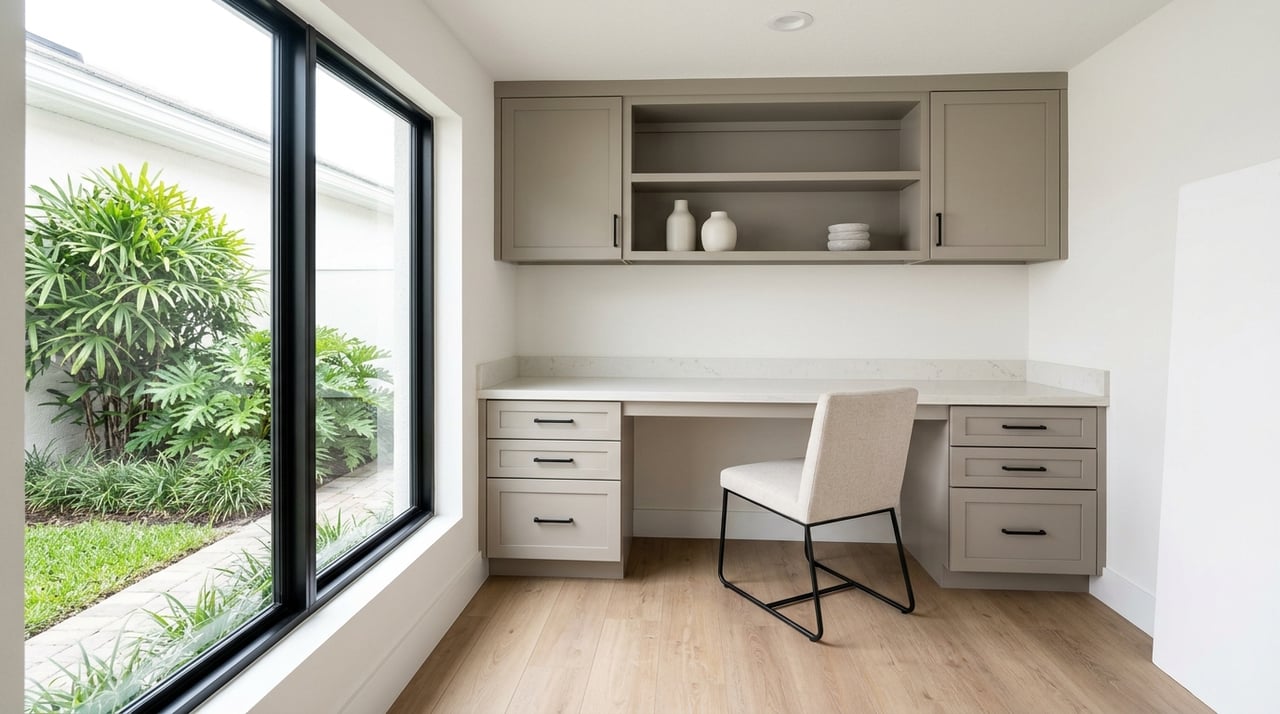
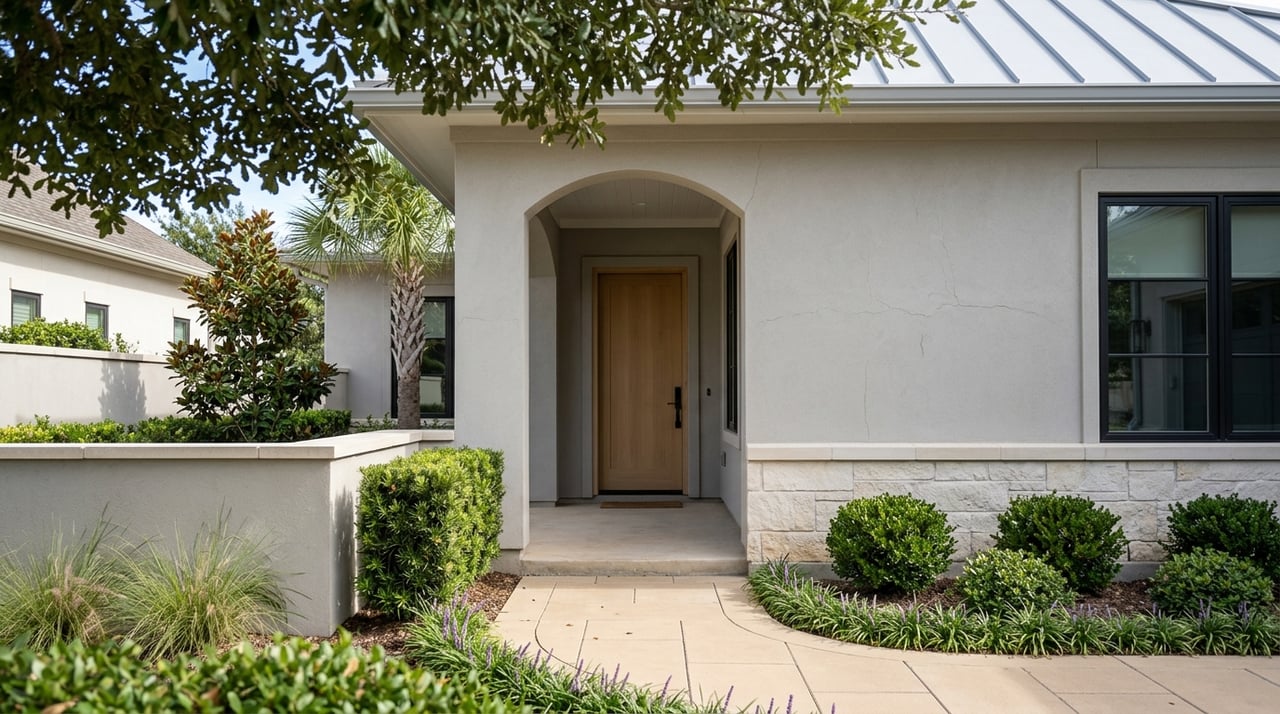
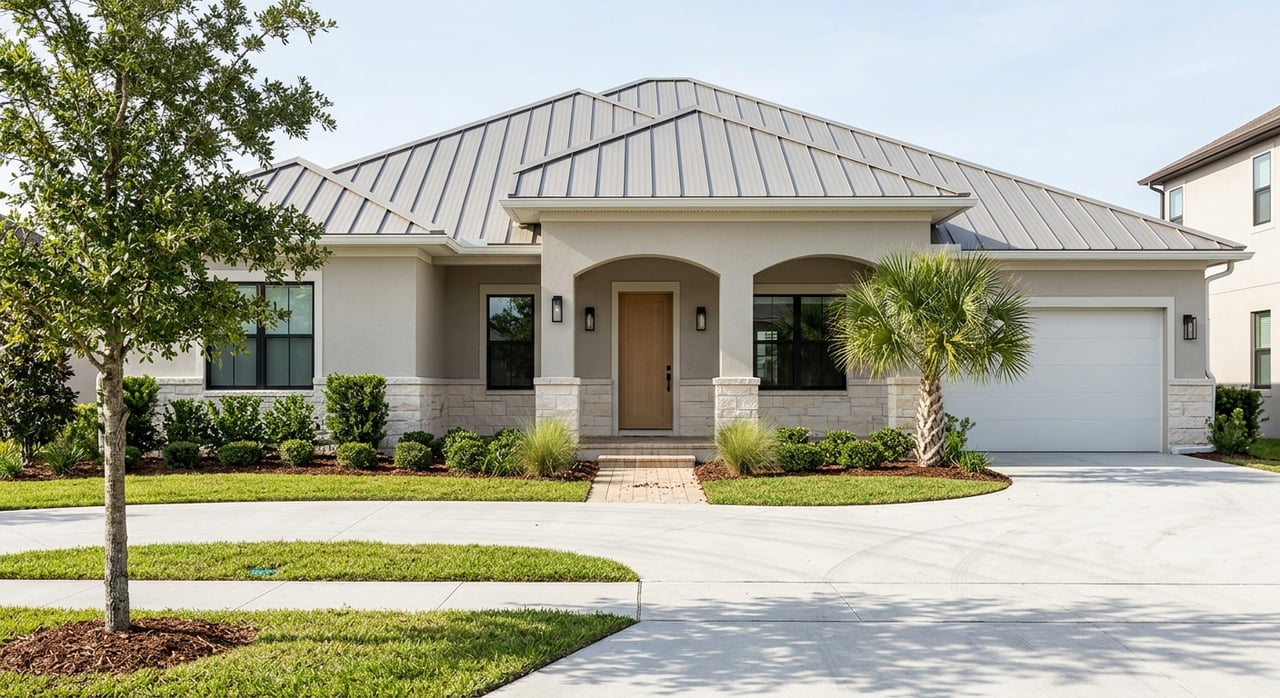
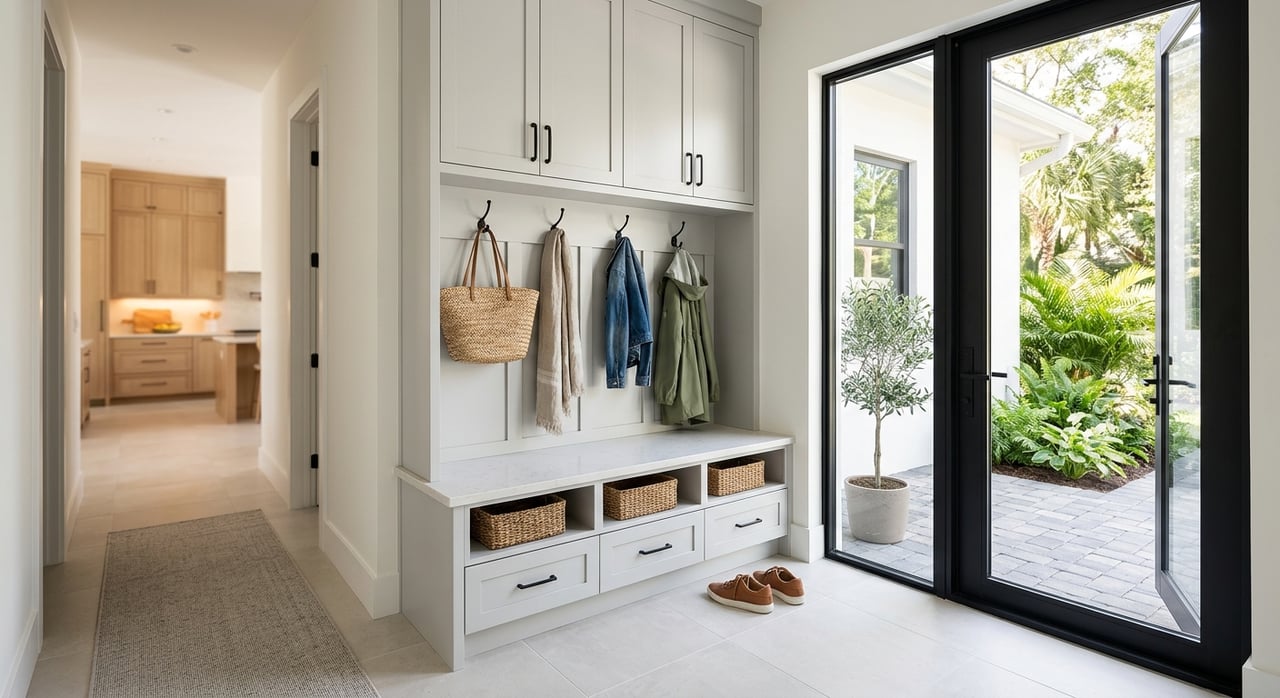
Saint Cloud is mostly a single-family home market. City documents describe single-family detached homes as the most prominent housing type, while multifamily development is relatively uncommon.
That gives much of the city a suburban residential feel. If you are shopping for a home, you will likely notice that the lifestyle here often revolves around private yards, neighborhood streets, and easy access to parks and roads rather than dense mixed-use living.
Older and newer areas feel different
One of the more useful things to know about Saint Cloud is that not every area feels the same. The historic grid south of East Lake Toho tends to feel different from newer growth areas farther from downtown.
Older in-town homes can offer a more established setting near the traditional core. Newer subdivision areas may appeal if you want a more recently built home and a layout tied closely to newer growth patterns. That variety gives buyers options within the same city.
Home searches often fall into tiers
Without focusing on exact price points, it is fair to think about Saint Cloud housing in broad categories. You may find more attainable inland resale homes, mid-market single-family neighborhoods, and a premium tier tied to lake-adjacent locations or newer builds.
For buyers, that means your lifestyle priorities matter. If you want access to the historic core or lakefront setting, your search may look different than if your top priority is a newer subdivision with a more edge-of-town feel.
What everyday life may look like for you
If you choose Saint Cloud, your routine may be shaped by a few reliable patterns. That consistency is part of the appeal. The city offers a blend of outdoor access, practical shopping corridors, and regional connectivity.
A typical week might include:
- Morning walks near the lakefront
- Splash pad or park visits on weekends
- Trail time at Peghorn Nature Park or The Ranch at St. Cloud
- Dining or strolling in downtown Saint Cloud
- Errand runs along U.S. 192
- Commutes north or west into the larger metro area
That combination is what gives Saint Cloud its identity. It offers a local, lake-oriented feel while still functioning as part of the bigger Central Florida picture.
Why Saint Cloud stands out
Some cities are easy to describe on paper but harder to picture in real life. Saint Cloud is different because its lifestyle anchors are clear. The lakefront, parks, downtown, and major road connections all play visible roles in how people move through the city.
If you are looking for a Central Florida community where outdoor access and day-to-day practicality can exist side by side, Saint Cloud is worth a closer look. And if you want help narrowing down which part of the city best fits your routine, goals, and budget, Lisa Owen can help you make a confident move.
FAQs
What is everyday life like in Saint Cloud, Florida?
- Everyday life in Saint Cloud often centers on lakefront recreation, city parks, routine errands along U.S. 192, time in the walkable downtown area, and commutes to nearby employment centers.
What parks are popular in Saint Cloud, Florida?
- Saint Cloud’s park system includes Lakefront Park, Peghorn Nature Park and Trails, Chisholm Park, The Ranch at St. Cloud, Partin Triangle Park, and several smaller neighborhood parks.
What can you do at Lakefront Park in Saint Cloud?
- Lakefront Park offers a sand beach, splash pad, marina, fishing pier, boat ramp, bike path, volleyball court, pavilions, grills, concessions, and temporary tie-outs for people arriving by water.
Is downtown Saint Cloud walkable?
- Downtown Saint Cloud is promoted by the city as a walkable district for shopping, dining, and entertainment, with brick streets, wide sidewalks, landscaping, and decorative lighting.
What is the housing mix like in Saint Cloud, Florida?
- Saint Cloud is primarily a single-family detached home market, with older in-town homes near the historic grid, newer subdivision homes in growth areas, and a smaller supply of townhomes and apartments.
Do most people commute from Saint Cloud to work?
- Yes, city transportation planning indicates that many residents commute outside Saint Cloud, generally north or west into larger employment centers in Osceola and Orange counties.