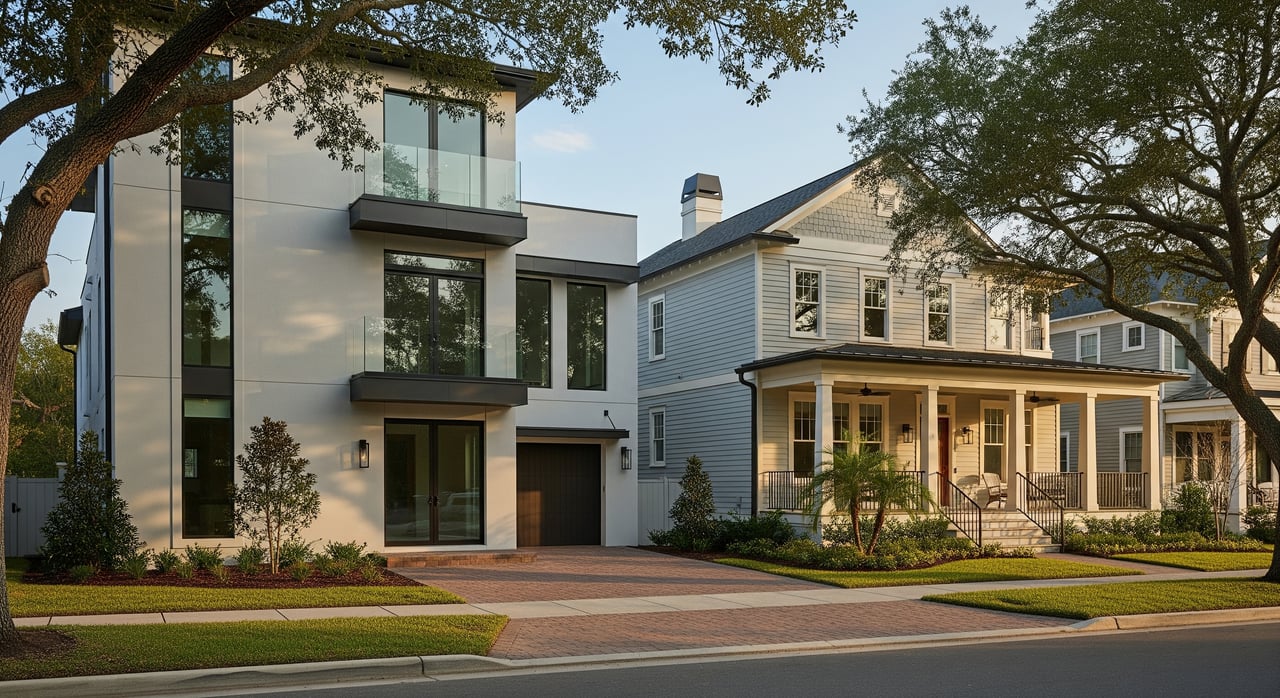
Thinking about buying in Celebration and debating between a brand-new build and a resale home? In a community that is mostly built out, that choice looks different than it does in a typical subdivision. You want the right fit for your budget, timing, design preferences, and long-term value. In this guide, you will learn how new construction and resale compare in Celebration, what to expect from local rules and fees, and how to make a confident decision. Let’s dive in.
Celebration market at a glance
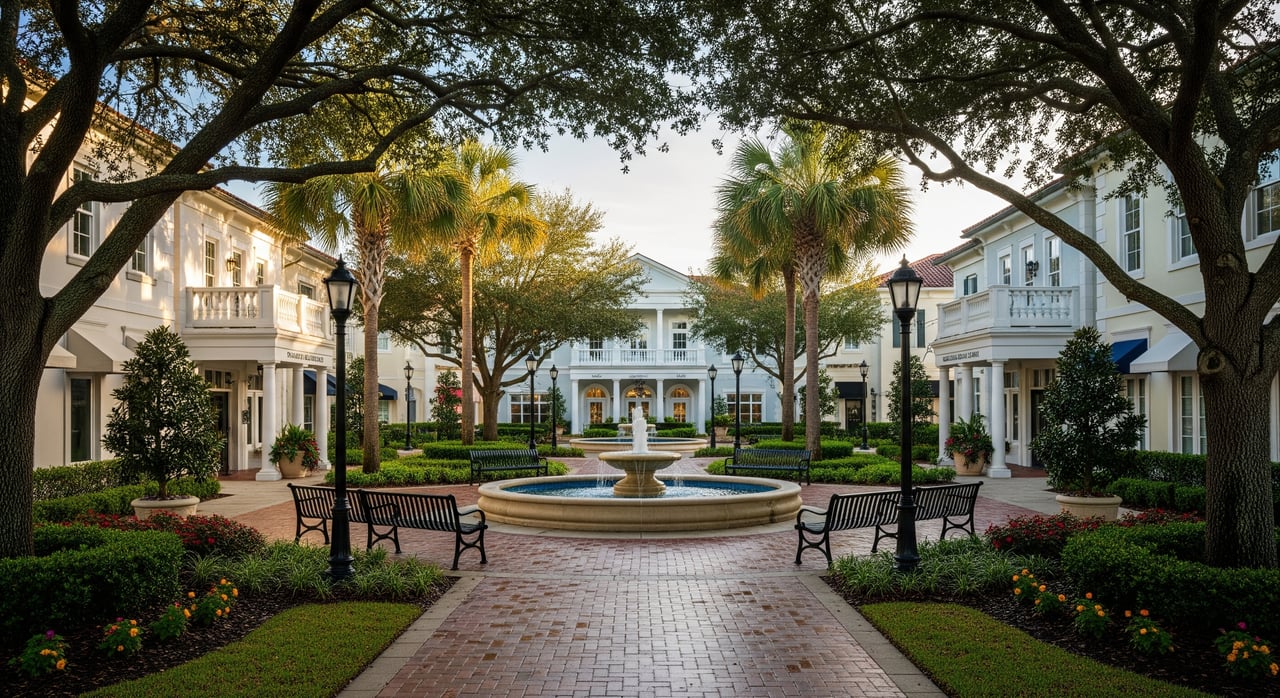
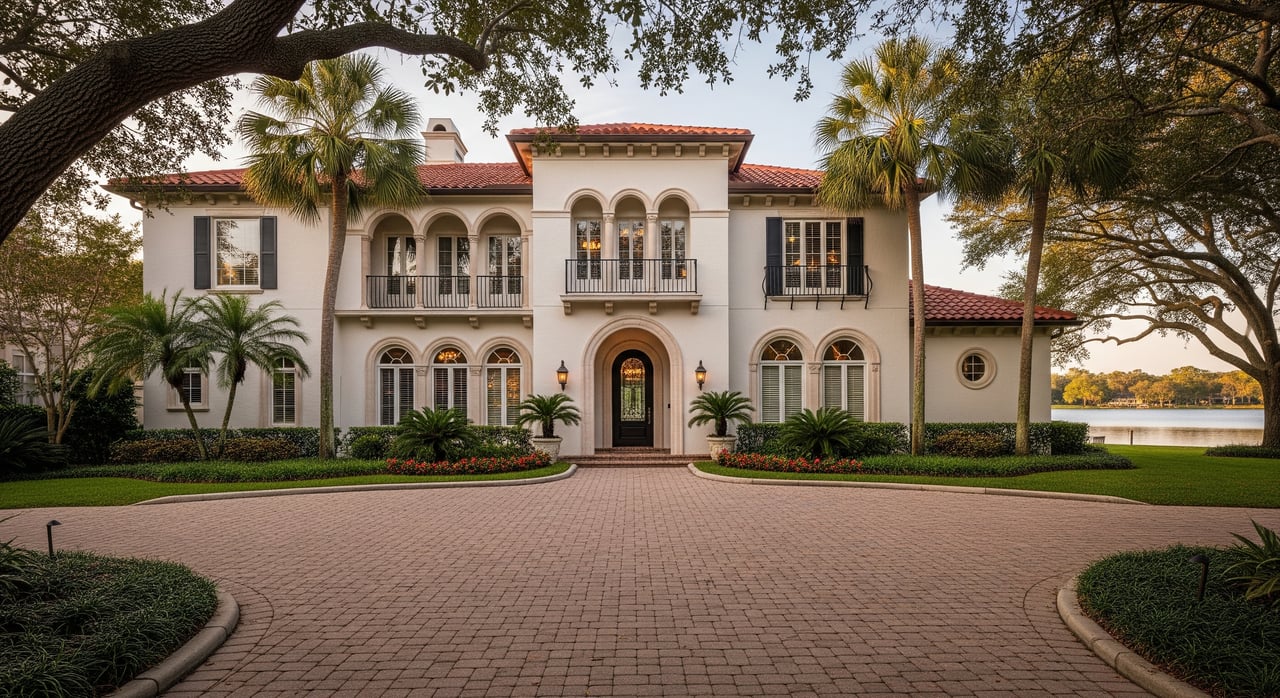
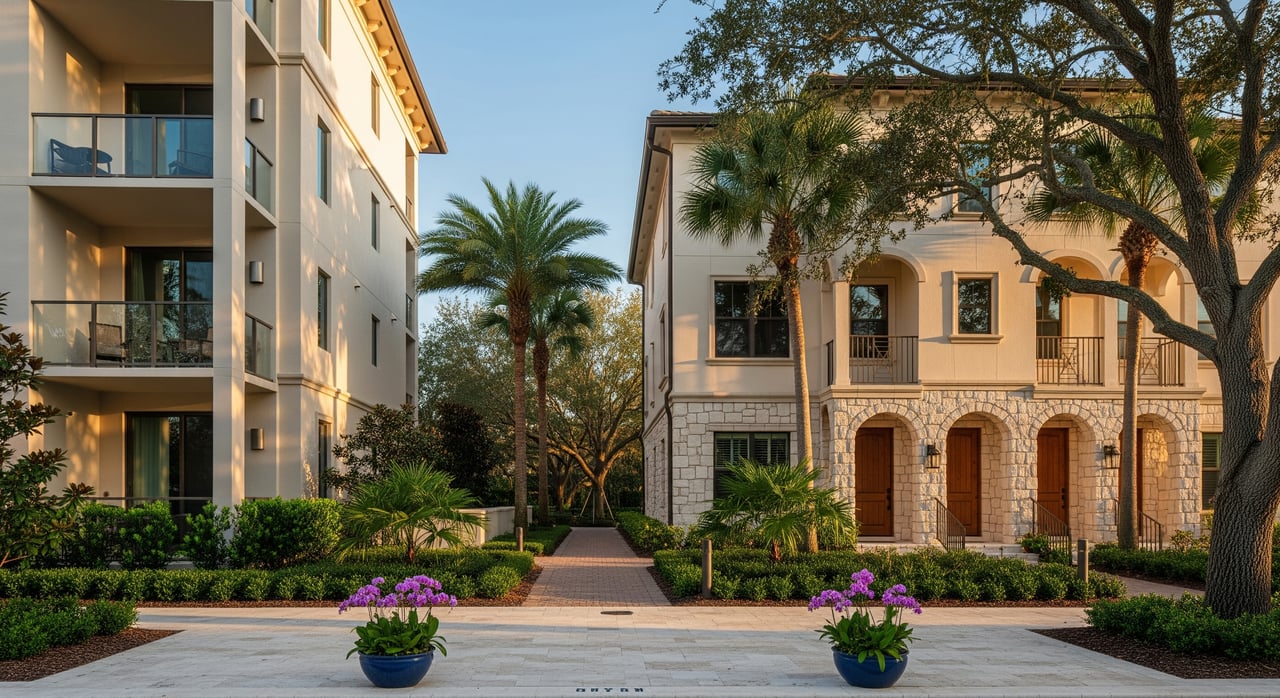
Celebration is a master-planned community in Osceola County designed with classic architecture, a vibrant town center, and strong walkability. Inventory inside the original neighborhood skews toward resale homes because much of the community is already built. Any true “new construction” is usually an infill build, a replacement on an existing lot, or a one-off spec project. If you want a standard new-build experience with multiple floor plans, you may find more options in adjacent Osceola County developments.
The community has layered governance to understand before you buy. Expect architectural review and design guidelines, an HOA structure that oversees common areas and appearance standards, and in some cases a Community Development District (CDD) with separate assessments. Since this is Central Florida, you should also account for flood zones, hurricane-related insurance, and Florida Building Code requirements.
New vs resale: quick comparison
| Factor | New Construction | Resale |
|---|---|---|
| Price and incentives | Often higher price per square foot; possible builder incentives on closing costs, rate buydowns, or upgrades | Pricing varies by condition and location; concessions and repair credits are negotiated |
| Timeline | Build and permitting can take months to a year or more, with risk of delays | Typical contract-to-close in 30 to 60 days if financing is straightforward |
| Customization | Ability to choose floor plan and finishes; upgrades add cost | Limited at purchase; renovations after closing can tailor the home |
| Condition and maintenance | New systems and materials, lower near-term maintenance; punch-list attention needed | Known performance history; possible immediate repairs or updates |
| Inspections and warranties | Final walkthrough, warranty orientation, and third-party inspections recommended; builder and manufacturer warranties | Full home inspection plus roof, wind mitigation, pest, and other specialized checks; optional home warranty policies |
| Financing and appraisal | Construction-to-permanent loans or builder’s preferred lenders; rate risk during build; appraisal can be complex if few comps | Conventional, FHA, and VA financing common; comps usually available within Celebration |
| HOA, CDD, and rules | Must meet design review; confirm any CDD assessments and rules for new builds | Same community standards apply; verify HOA dues, design controls, and any special assessments |
| Resale potential | Newness can attract buyers if the build fits Celebration’s character | Updated, well-located resale homes remain highly marketable |
Costs you should expect
Purchase price and incentives
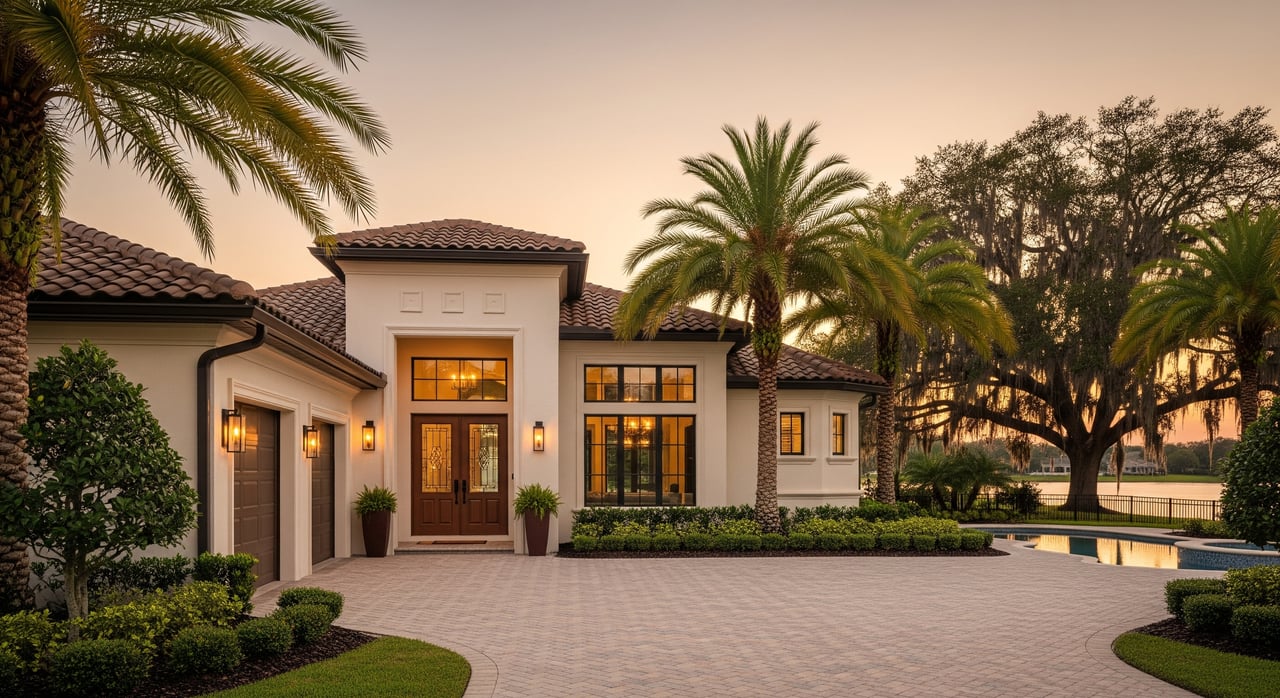
New construction in Celebration often commands a premium because it is scarce and uses modern systems and materials. Builders may offer incentives such as closing cost assistance, rate buydowns, or upgrade packages. The key is to compare the net value of incentives with the actual list price and upgrade costs. With resale homes, you can negotiate price, repairs, and concessions based on condition and market dynamics.
Closing costs and negotiated concessions
Builders can be firm on price but flexible on closing costs. Ask for a clear breakdown of what is included and what is an upgrade. On a resale, your negotiation can target price, closing costs, or specific repair credits after inspections. In both cases, factor in prepaid items like taxes and insurance.
Holding costs and interim housing
If you build, you may carry costs for the lot, rent, or short-term housing while the home is under construction. That can add up. A resale home can reduce or remove these holding costs since you can often move in within one to two months of going under contract.
Timeline and certainty
New construction introduces more variables. Permitting, subcontractor schedules, weather, and supply chain can shift your move-in date. If you have a firm deadline, that risk matters. Resale timelines are usually more predictable. With a strong pre-approval and clean inspections, you can plan for a standard 30 to 60 day close or faster with cash.
Customization and finishes
If you want a specific layout, energy systems, or modern design choices, new construction offers that control. Just be ready for upgrades to move the final price. In a resale, you can buy character and location, then remodel over time to spread costs and personalize. In Celebration, some buyers value original features that match the community’s classic style, while others prefer updated systems and finishes.
Inspections, warranties, and risk
New homes come with builder and manufacturer warranties that can reduce early repair costs. Still, you should plan a final walkthrough and, where allowed, independent inspections at key stages. That helps catch punch-list items before closing. For resale, schedule a general home inspection and add specialized checks like roof, wind mitigation, pest, and HVAC. If the property has unique systems or a pool, add those to your inspection plan. A one-year home warranty can help with appliances and systems after closing.
Financing and appraisal
New construction can involve construction-to-permanent loans or a builder’s preferred lender. You may see incentives for using that lender, so compare the total cost against other options. Longer build times add interest rate risk if market rates change before you close. Appraisals for custom or one-off builds can be challenging if there are few comparable sales.
Resale loans in Celebration commonly use conventional, FHA, or VA financing. Because the community is established, appraisers often have relevant comps. In fast-moving markets, appraisal gaps can still happen, so discuss contingency strategies with your agent and lender.
Neighborhood rules and due diligence in Celebration
Celebration has architectural and design review standards that shape exterior appearance and materials. Whether you are building new or renovating a resale, confirm approval timelines, required submittals, and any restrictions on changes. Review HOA dues, what they cover, and whether there are special assessments. Some properties may be subject to CDD assessments, which are separate from HOA dues.
Insurance is a major factor in Florida. Determine the property’s flood zone, request or obtain an elevation certificate if needed, and talk to an insurance professional about windstorm coverage and deductibles. If you are building or doing major renovations, confirm permitting requirements and any impact fees. For schools, verify current Osceola County attendance zones for a specific address, since zones can change. Proximity to parks, lakes, and the town center is a common buyer priority as you compare homes.
Two buyer paths in Celebration (hypothetical)
Scenario 1: Quick move-in
You want to be in Celebration within 60 days to start a new job. A well-maintained resale near the town center fits the timeline and reduces the need for temporary housing. You budget for a potential roof tune-up and plan a wind mitigation inspection to optimize insurance costs. You negotiate a small closing cost credit to offset minor repairs.
Scenario 2: Custom layout with patience
You value a specific kitchen layout, higher-efficiency systems, and a home office. You find a replacement-lot opportunity that allows a custom build aligned with Celebration’s guidelines. You choose a construction-to-permanent loan, plan for design review, and add a contingency for timeline shifts. You accept a longer wait in exchange for a layout that fits your daily life.
Buyer checklist: new build vs resale
- Budget
- Compare purchase price, closing costs, and realistic upgrade allowances.
- If building, plan for interim housing and carry costs.
- Timing
- Define your desired move-in date and compare it to build times or resale closing timelines.
- Financing
- Get pre-approved and clarify whether you need construction-to-permanent financing.
- Ask about rate locks and appraisal approaches for custom builds.
- Inspections and warranties
- New build: plan for milestone inspections if permitted, a final walkthrough, and warranty review.
- Resale: schedule general, roof, wind mitigation, pest, and HVAC inspections; consider a home warranty.
- Long-term maintenance
- Estimate costs for roof, HVAC, landscaping, and any pool or specialty systems.
- Neighborhood fit
- Evaluate lot position, distance to the town center and parks, and how the home aligns with community character.
- Fees and restrictions
- Review HOA rules, design controls, CDD assessments, parking limits, and any rental restrictions.
- Insurance
- Confirm flood zone, wind coverage needs, and likely premiums with a local insurance professional.
Seller considerations in a mostly resale market
- Get a comparative market analysis that separates lot value, structure value, and updated-condition comps.
- Consider targeted improvements with strong return versus pricing as-is.
- Understand how a buyer might view a teardown-and-rebuild scenario on your lot and how that affects your pricing strategy.
- Complete disclosures and address safety or lender-required repairs to keep the deal on track.
Next steps
- Check current market data for Celebration to understand pricing and inventory.
- Confirm HOA dues, design review requirements, and any CDD assessments for the property you like.
- Talk to a local lender about construction-to-permanent options versus standard conventional, FHA, or VA loans.
- Get preliminary insurance guidance on wind and flood coverage to avoid surprises.
- Walk prospective streets at different times of day to gauge noise, traffic patterns, and access to the town center and parks.
If you want a clear plan tailored to your timing, budget, and wish list, reach out. Our team knows the Celebration micro-market and can help you compare options, negotiate smartly, and move with confidence. Connect with Lisa Owen to get started and get your free home valuation.
FAQs
Is new construction common inside Celebration?
- New construction is limited and often occurs as infill or replacement builds; most available homes are resales, with more traditional new-build options found in nearby Osceola County communities.
Which typically costs more in Celebration, new or resale?
- New builds often have higher purchase prices and upgrade costs but lower near-term maintenance; resales can require immediate updates, so total costs depend on age and condition.
What inspections should I order in Celebration?
- For resale: general home inspection plus roof, wind mitigation, pest, and HVAC checks; for new builds: a final walkthrough, warranty review, and third-party inspections where permitted.
Are there design restrictions I should know about?
- Yes, Celebration has architectural and design review standards; confirm timelines, materials requirements, and approval steps before building or renovating.
How do financing options differ for new vs resale?
- New builds may use construction-to-permanent loans or a builder’s preferred lender with incentives; resales commonly use conventional, FHA, or VA loans with appraisals based on nearby comps.